Meet our team
You‘re not just buying a home inspection – you’re buying years of experience.

About Chuck Striler
Founder and Owner - MA 726-HI-1
Chuck started Striler Home Inspections in August 2011. He came to it from the construction supply side, years in an electrical supply house, plus the education that comes from working on his own home. What pulled him in was the mechanical side of the work: electrical, HVAC, plumbing, and the question of how it all fits together.
These days he’s mostly out of the field, stepping in as a second inspector when a job needs the extra set of eyes. His work is the company itself – the systems, the training, and the standards that make one inspection look like the next no matter whose name is on it.
The people here work with Chuck, not for him. That isn’t a slogan, it’s how the company is built. The inspectors are licensed, trained, and trusted to do the job properly without being watched, and they’re building something meant to last rather than passing through. Chuck’s job is to give them what they need and then get out of the way.
His advice to homeowners is the least exciting and most valuable thing on this page: keep up with the maintenance. Little issues grow fast. The gutter you meant to clean becomes the wet basement. The small roof repair becomes the ceiling. Almost every serious problem an inspector finds started as something minor that somebody kept meaning to get to.
Chuck lives and works in Raynham, which suits him. Small-town feel, easy access to everywhere else. He’s a drummer and guitar player, has three grandsons keeping him honest, and has known his wife since first grade. They’ve been married since 1983.
He’s also the reason this company runs on good software and good process. If there’s a way to make an inspection clearer or a report easier to read, he’ll find it.

About Marc Rodrigue
Home Inspector - MA 810-HI-1 - RI HI-44258
Marc came to home inspection from construction, where he spent years learning how houses are put together and, just as usefully, how they come apart. He has a particular interest in older housing stock – the building methods that worked, the ones that didn’t, and how to tell the difference by looking.
He is at his most useful with first-time buyers. Marc takes his time, explains what he found in plain language, and answers the question behind the question. He’ll tell you what he saw and what it means for the house. What you do with that information is your decision, and he’s careful to keep that line clear.
Ask him for advice and he’ll tell you to build a team of people who know their trades: an agent who listens, an attorney who reads, and an inspector who tells you the truth whether or not it’s what you were hoping for.
Outside work, Marc is a woodworker, cook, sculptor, and painter – quiet and deliberate in his own time, which is more or less how he works a house.
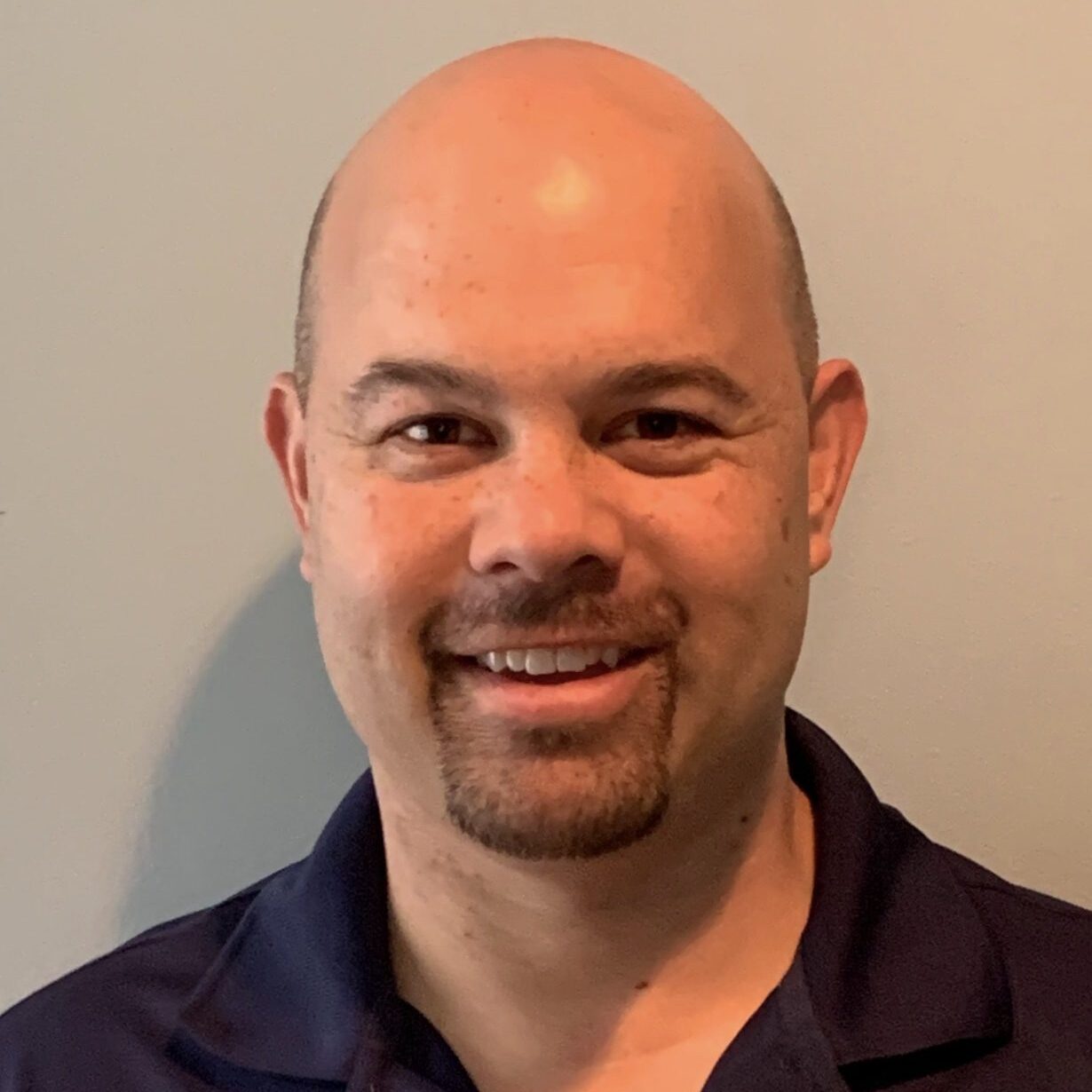
About Andy McCormick
Home Inspector - MA 1112-HI-1 - RI HI-44257
Andy has worked in HVAC since 2004, installing and servicing heating and cooling systems running on oil, gas, and propane, in new construction, renovations, and additions. That’s a long time spent inside the systems most buyers understand least and worry about most.
It also means he’s spent two decades on job sites alongside electricians, plumbers, framers, and roofers, picking up how their work interacts with his. A furnace problem is often not a furnace problem. Andy tends to find the connection.
He holds a Massachusetts oil burner technician license and a sheet metal journeyman license, and he keeps up with the training as equipment and codes change.
Ask him about the heating and cooling equipment in a house you’re buying and the answer comes back in two words: service it. Most of the failures he saw in twenty years of HVAC work were not sudden. They were a maintenance visit that got skipped, then another one, until something finally quit on the coldest night of the year.
He came to inspection for the variety and for the people. Every house is different, and he likes having the buyer beside him while he works, explaining what he’s looking at as he goes. Teaching is the part he enjoys most.
Outside work, Andy travels with his two boys. He’s a cruise guy, and the three of them once jumped out of a helicopter to go snorkeling. Which, as job-interview answers go, explains a fair amount about how he handles a crawlspace.
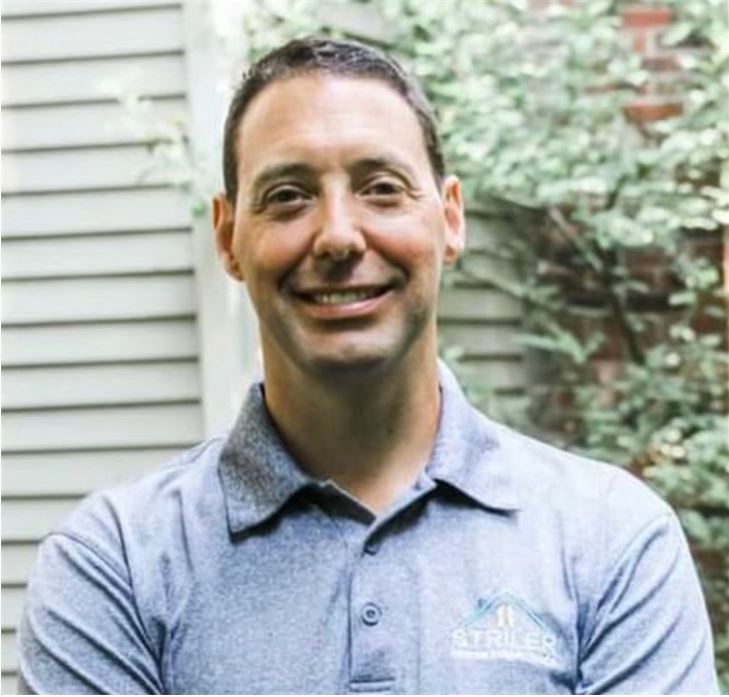
About Greg Prew
Home Inspector - MA 1122-HI-1 - RI HI-44256
Greg got into home inspection because he liked the teaching part – walking someone through a house and watching them start to see it differently. Structure is where his attention goes first: how the building carries its own weight, what’s moved since it was built, and whether that movement means anything.
His advice to buyers is two words: think like water. Follow the roof to the trim, the trim to the siding, the siding to the grade, and ask where water goes at every step. Most of what goes wrong in a house starts with water getting somewhere it shouldn’t and staying there.
He came up through construction supervision, which shows in how he reads a house. He tends to know why something was built the way it was before he assesses how it’s holding up. Problem-solving is the part he enjoys most.
If you’re planning work on the house after you buy it, Greg’s advice is to know your limits. The shows make it look quick. Budget more time and more money than you think, and bring in someone who does it for a living when the job calls for it.
Away from work Greg rides – Route 1 down the West Coast, the Grand Canyon, Zion, Historic Route 66, and the Road to Hana. He’s a sucker for the old houses of Eastern Massachusetts and the stories in them. He can also recite the alphabet backward starting from any letter, which has never once come up during an inspection.

About Brian Pope
Home Inspector - MA 1177-HI-1 - RI HI-44329
Brian spent his career in heating and plumbing distribution, the supply side of the trades, where you learn what gets installed, what fails, what gets replaced under warranty, and what the tradespeople complain about when they come to the counter. It’s an unusual route into inspection and a genuinely useful one. Brian knows the equipment in a house the way someone knows a catalog: which brands hold up, which model years had problems, and what a contractor is likely to say about it.
He looks at overall condition first. Not the single worst thing in the house, but the whole picture – how it’s been kept, what’s been deferred, whether the last twenty years were maintenance or neglect. Individual findings matter, but the pattern usually tells you more.
His advice to buyers is worth hearing before you read any inspection report: there is nothing in a home that can’t be fixed. Almost every report contains findings that look alarming written down. Most are ordinary, all of them are fixable by someone, and the real question is never whether a house has problems. It’s which ones you’re taking on, and going in knowing.
Brian is detail-oriented to a degree his colleagues find slightly unreasonable, and he likes having the buyer with him while he works. He’ll take the time to explain what he’s looking at and answer the same question twice if the second answer lands better.
Outside work he’s with his grandkids or knee-deep in a project at his own house, usually both, usually at once.
- Our mission is to provide home buyers and realtors with the highest quality inspection experience by utilizing software and technology to add more value to the inspection process.